Buying Solar Panels From China
Buying solar panels from China comes down to which of two very different factories you land on. Twenty five years in trade, written down. There are two kinds of supplier you are really choosing between. There is one test a serious factory runs that a bad one skips. And there is a way to build the order so your money stays on your side of the table until the panels pass. I walk these floors every couple of weeks, so this is what I see, not what I read.
How do you buy solar panels from China without getting scammed?
Confirm you are dealing with the real module maker, not a trading company, and insist on an EL (electroluminescence) test that exposes the hidden micro-cracks a weak factory hides. Verify every certificate with the issuing lab directly, and release the balance only after the panels pass inspection: the same discipline whether you import to the US, Europe, or anywhere else.
You are buying from one of two very different animals
People say "solar factory" like it is one thing. It is two. Two businesses, two very different risks. Know which one you are talking to before you talk price.
A cell maker turns wafers into the real photovoltaic cells. That is heavy machinery and high tech. There are not many of them, and you are probably not buying direct from one.
A module assembler buys the cells, the glass, the backsheet, the frame, the junction box and the encapsulant, and laminates them into the finished panel you bolt to a roof. This is where most of the market lives. This is also where the gap between an excellent factory and a dangerous one is widest. A good assembler runs a clean line, buys tier-one cells, and tests every panel. A bad one buys downgraded or B-grade cells, cuts the lamination cycle short, and ships you a panel that looks the same in a photo and dies in three years in the field.
So the first question is never "what is your price." The first question is: are you the assembler, and whose cells are in this module? Get the cell brand and the bin grade in writing. A factory that dodges that question has already told you something.
China is the ground here, not the enemy. The country runs roughly 80% of the world's module manufacturing capacity [BloombergNEF]. That means the best factories on earth and the worst ones sit in the same industrial park. Your job is not to avoid China. Your job is to tell the two apart. I am in these solar factories twice a month, so I can.
The hidden-crack test that separates the serious factories
Here is the test that tells me more about a factory than any brochure. It is called electroluminescence. EL for short.
A solar cell is a wafer of silicon, a fraction of a millimeter thick. During lamination, framing, handling and transport, those cells pick up microcracks you cannot see with your eyes. The panel powers up fine on day one. Then heat and cold in the field pry those cracks open, cells go dark, and the output falls off a cliff long before the 25-year warranty is up.
EL imaging runs current through the finished panel and photographs it in a dark chamber. Cracks, broken fingers, dead cells and bad solder joints show up as black shadows on a grey field. It is the X-ray of a solar panel.
A serious factory EL-tests every module coming off the line and keeps the images. A cost-cutter tests a sample, or none, because a proper EL station and the people to run it cost money and slow the line down.
So when I audit, I ask to see the EL station running. Then I ask for the EL image set of your actual production batch, not a demo. If they can hand over per-panel EL images tied to serial numbers, that is a factory with nothing to hide. If the EL machine is suddenly "being repaired" the week of the inspection, you have your answer.
Check the certificate with the lab, not the PDF
Every factory will send you a folder of certificates. IEC 61215 and IEC 61730 for the module. ISO 9001 for the quality system. And whatever mark your market needs. A PDF certificate proves nothing. A PDF is edited in an afternoon.
What matters is not the document. What matters is the record held by the body that issued it. IEC-standard module certificates come from named test labs and carry a certificate number. That number can be checked against the lab's own database, or confirmed with the lab directly. You want three things to match: the exact model number on the certificate, the factory name and address, and the fact that the certificate is current and not withdrawn.
I see two traps all the time. First, a certificate that is real, but for a different model than the one you are buying, so the panel in your container was never tested to that standard at all. Second, a certificate that lists a factory the seller does not even operate, because the seller is a trading company borrowing someone else's paper.
Match the model. Match the factory. Confirm with the lab, not the seller. If a certificate number cannot be verified with the body that supposedly issued it, treat that certificate as if it does not exist.
The paper trail your customs broker will demand
Bringing solar modules into the United States is not just price and freight. Your customs broker will ask for documents that trace where the material in the panel came from, all the way up the chain. If that paper is thin, the container does not clear. That is a real commercial fact, and you plan for it before you place the order, not after the goods are on the water.
What this means on the floor: the factory has to be able to produce, for your specific batch, a documented origin trail on the key materials. Above all the polysilicon that becomes the wafer and the cell. Serious factories keep this trail as a matter of course, because their other customers already demand it. They can hand you a per-batch package that ties polysilicon source to wafer to cell to your finished module and its serial numbers.
So ask for a sample of that documentation package before you order, using an old batch. A factory that already sells into the US market gives it to you the same day. A factory that has never had to produce it goes quiet. That silence is a real cost, because it can mean your container sits at the border.
Build the documentation requirement into your contract as a condition of shipment. Make final payment depend on the complete package being in your hands. One thing to nail down yourself: confirm the exact current US material-origin documentation package your specific broker requires for your HS code, with your broker, before you order. That detail moves, so verify it live rather than trust an old number.
Build the order so your money stays on your side until the goods pass
This is the part that protects you after everything above is done and you still want a safety net. Never let full payment and the goods cross at the same moment on trust. Build the order so they do not.
The spine of a safe solar order has three bones.
One. A written spec sheet that is part of the contract. Exact model. Exact cell brand and bin grade. Power class and tolerance. EL image set required per panel. Certificate numbers. The material-origin package. If it is not written down, it is not agreed.
Two. A pre-shipment inspection by a third party you hire, not the factory, while the goods are still in China and still the factory's problem. That inspection checks quantity, workmanship, power flash-test data, EL images, and that the serial numbers and certificates match what you actually bought.
Three. Payment tied to a passed inspection. A deposit to start production. The balance released only after the inspection report comes back clean. The grip of that unpaid balance is the one thing that reliably gets a problem fixed before the container leaves. Once you have paid in full and the goods have sailed, you are not a customer anymore. You are a complaint.
None of this is exotic. It is the normal way experienced buyers work, and factories worth working with expect it.
What the market actually looks like right now
A few current numbers, so you set your expectations right. Not so you chase the lowest quote.
China exported about 235.93 GW of PV modules in 2024, up roughly 13% on the year before [PV Tech]. The country holds on the order of 80% of global module manufacturing capacity, against a world total heading toward 1.8 TW per year [BloombergNEF, PV Tech]. So supply is not your problem. Selection is.
On price. In early 2026, tier-one mono TOPCon modules traded around $0.096 to $0.125 per watt FOB China, with the second half of 2026 forecast near $0.12 per watt [pv magazine]. When a quote comes in far under the tier-one range, that is not a bargain. That is a signal. Downgraded cells, thinner glass, or a trading company that will not stand behind the panel. Price the quality you actually specified, and be suspicious of anything that undercuts the floor.
One more shift worth knowing. The export mix is moving upstream. Cells and wafers made up over 40% of China's solar exports in the first half of 2025 as final assembly spread to other countries [PV Tech]. That matters, because a "Chinese" panel and a panel assembled somewhere else from Chinese cells are two different customs and documentation situations. Know which one you are buying. And to be clear on the sheer scale under all this: China added 315 GW of solar at home in 2025 alone [pv magazine]. This supply chain is enormous. That is exactly why picking the right factory out of it is the whole job.
Two doors, and a call before you wire anything
If you are about to buy solar modules from China, there are two ways I stand between you and a bad container.
Door one. Factory Verification. You have a factory picked, or a quote you like. Before you pay a deposit, I verify the factory is real. That it is the assembler and not a trading company. That the certificates check out with the issuing labs. That EL testing is genuinely part of the line. And that the material-origin paper your broker needs actually exists. You get a clear go or no-go before your money moves.
Door two. The Supplier Shortlist Sprint. You do not have a supplier yet. I use twenty-five years of factory-floor contacts to build you a short list of assemblers that fit your spec, your volume and your market, already screened on the things that matter. You start conversations with three real candidates instead of forty anonymous listings.
Either way, start with a call. Tell me your panel spec, your volume, and where the container is landing. I will tell you plainly where the risk sits and which door fits. I am on these solar floors every couple of weeks, and I source and ship product myself, so you are getting an operator's read, not a directory. I am not the factory's man. Only you pay me, so my only job is to protect you. Book the call, and let us get your order built on solid bones before you wire the deposit, not after.
Book a call before you wire a deposit. Tell me your panel spec, your volume, and where the container is landing, and I will tell you plainly where the risk sits and which door fits: Factory Verification if you already have a supplier, or the Supplier Shortlist Sprint if you do not. I am in Chinese solar factories twice a month, and only you pay me, so my only job is to protect you.
Or book a call with me →Questions buyers ask me
Should I buy from a cell maker or a module assembler?
Almost certainly a module assembler. They laminate the finished panels, and that is where most of the market is. The point is to know which one you are talking to. Confirm the factory is the actual assembler, then get the cell brand and the bin grade in writing. A good assembler using tier-one cells and a cost-cutter using downgraded cells make panels that look identical in a photo. The paper is how you tell them apart.
What is EL testing and why does it matter so much?
Electroluminescence imaging runs current through a finished panel and photographs it in the dark. It shows the microcracks, broken cells and bad solder joints you cannot see by eye. Those hidden cracks are what kill a panel's output years before its warranty ends. A serious factory EL-tests every module and keeps the images tied to serial numbers. If a factory cannot show you the EL images for your actual batch, treat that as a red flag.
How do I know a factory's certificates are real?
Do not trust the PDF. Verify the certificate number with the body that issued it, whether that is the IEC test lab or the standards body. Check three things. The exact model number matches the panel you are buying. The factory name and address match the real maker. And the certificate is current, not withdrawn. Real certificates for a different model, or borrowed certificates from a trading company, are the two traps I see most.
What documentation do I need to import Chinese solar panels into the US?
Your customs broker will require a documented origin trail on the panel's key materials, above all the polysilicon behind the wafer and cell, tied to your specific production batch. Factories that already sell into the US keep this package as a matter of course. Ask to see a sample package from an old batch before you order. Make it a written condition of shipment. And confirm the exact current requirement with your own broker for your HS code, because that detail moves.
How should I structure payment to protect myself?
Never let full payment and the goods cross on trust. Put the full spec in the contract. Hire your own third-party pre-shipment inspection while the goods are still in China. Release the balance only after that inspection passes. A deposit starts production. The unpaid balance is your grip to get any problem fixed before the container ever leaves the port. Once you have paid in full and the goods have sailed, you are a complaint, not a customer.
Chinese panel quotes vary wildly. Why, and what price is realistic?
In early 2026, tier-one mono TOPCon modules ran roughly $0.096 to $0.125 per watt FOB China, with the second half of 2026 forecast near $0.12 per watt. A quote far below the tier-one range is not a deal. It usually means downgraded cells, thinner materials, or a trader who will not stand behind the panel. Price the quality you specified, not the lowest number on the page.
Sources: every number on this page
- China holds roughly 80% of global solar module manufacturing capacity as it extends its manufacturing lead. BloombergNEF
- China exported about 235.93 GW of PV modules in 2024, up roughly 13% year over year. PV Tech
- Global solar module manufacturing capacity was projected to reach about 1.8 TW per year in 2025. PV Tech
- Tier-one mono TOPCon modules traded around $0.096 to $0.125 per watt FOB China in early 2026, with H2 2026 forecast near $0.12 per watt. pv magazine
- Cells and wafers made up over 40% of China's solar exports in the first half of 2025 as final module assembly spread outside China. PV Tech
- China added 315 GW of solar domestically in 2025, underscoring the scale of the supply chain. pv magazine
What to get next
The buyers who get the most from this pair it with the tools below. Each one protects the next step.
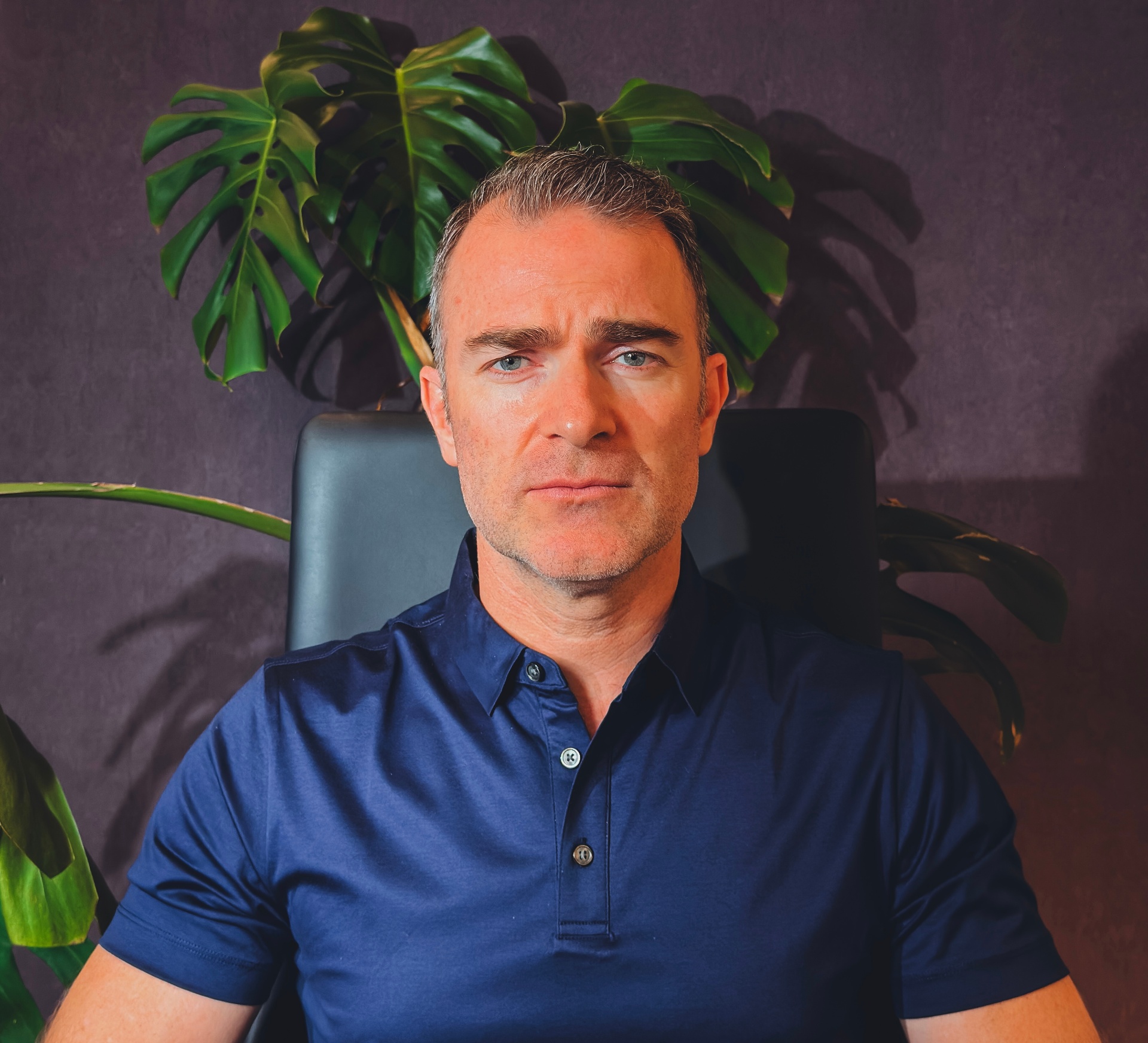
Cengiz Gündüz. 25 years in global trade, in import and export since 2009. Factory audits from Shenzhen to Kunming.
Last checked:
One report every Thursday. Free.
Get the Free Weekly Briefing →The briefing arrives every Monday. No spam.
