Once a factory has all your money, the fix becomes a favor.
Four bilingual documents, English and Chinese, that lock your payment to one verified account and hold the balance until the goods actually pass inspection. The same clause and the same checks I use paying Chinese factories out of my own account. $57, one time, instant download.
$57, one-time. Instant download: four bilingual documents in editable format, yours to reuse on every order you place. No subscription.
The China Payment Protection Pack is a $57 set of four bilingual documents, English and Chinese, that stop the two ways importers lose money paying a Chinese factory: a wire quietly redirected to the wrong account, and a balance released before anyone has checked the goods. You attach the payment annex to your PO, run a five-minute check that confirms the account name matches the factory's business license and the official government registry before the money leaves, and release the balance only after the goods pass inspection. Every document is drafted the way China lawyers draft, with the Chinese version set to govern for enforcement in China. Instant download, yours to reuse on every order.
Think about where your real hold actually sits. While you still hold the balance, a factory has every reason to recut a part, repack a pallet, or fix a finish. The money is right there and they want it. The day you release the full amount, that same fix becomes a favor. You are no longer instructing, you are asking, and you are asking across a border in a language you do not read. The two places importers really lose money are both about letting go too early. The first is the wire that follows a bank detail quietly changed in an email: same signature, same rep you have talked to for a month, a soft reason attached, and an account that turns out to be personal or offshore instead of the factory's. The second is quieter still: you release the balance because the supplier says the goods are ready, the container opens weeks later, and the boxes turn out to be half air. A deposit in the tens of thousands, gone across a border, does not come back with a strongly worded email.
You cannot fix this after the wire clears. You fix it before, by keeping the money on your side of the table until two conditions you set are actually met: the account is verified, and the goods have passed. Not by trusting the right people and hoping, but by putting the whole defense on paper: a written rule for which account gets paid, a five-minute way to prove that account is real, and a schedule that releases money only after something has actually been inspected. That is the entire job of this pack. It is the paperwork a careful buyer uses so the money only moves when it is safe to move.
What you get
- •Doc 1, the China Payment Terms Annex, is the payment clause you attach to any PO or supply agreement. It locks every payment to one Approved Account whose registered name matches the factory's business license exactly, treats any changed bank detail as fraud until re-verified, holds the 70% balance until the goods pass the agreed inspection, and sets a fixed RMB liquidated-damages figure drafted the way China lawyers write penalties to hold up in a Chinese court, with Exhibit A (Payment Schedule) and Exhibit B (Bank Account Verification Record) built in.
- •Doc 2, the Bank Account Verification Protocol, is the five-minute check that stops a redirected wire before the money leaves: a seven-step routine that shows you how to read a Chinese business license, how to confirm the company on the official government registry, how to spot the email that is quietly steering you to the wrong account, and how to keep a signed verification record on file.
- •Doc 3, the Proforma Invoice Red-Flag Checklist, turns a confusing PI into a simple pass-or-fail: nine specific red flags, a line-by-line teardown of a real proforma invoice, and a side-by-side of a dangerous invoice next to a clean one, with the payment terms that actually protect the buyer.
- •Doc 4, the China First-Order Payment Schedule, ties every release to an event that must physically happen: deposit, sample-approval gate, balance on passed inspection, then documents and shipment, so nothing is ever paid out on a date alone, with a worked example and a document-release checklist.
- •Every document is fully bilingual, with the Chinese version written to govern for enforcement inside China, so the text a Chinese judge would read is the one you agreed to, not a translation swapped in later.
- •Delivered as clean, fill-in-the-blanks files you download once and reuse on every supplier and every order. Set the account up correctly the first time, and each wire after runs on the same locked terms.
Who it's for
This is for Western importers, Amazon FBA and private-label sellers, and procurement leads who wire real money to Chinese factories, whether this is your first order or your hundredth. If you are sending a deposit and then a balance to a supplier you cannot walk over and visit in person, this is built for the moment your finger is over the button that sends real money across a border. You do not need to be in China or read a word of Chinese to use it.
But, couldn't I do this myself?
A free payment template only tells you where to type the numbers. It cannot tell you which line on the invoice is the trap, that the account name has to match the business license character for character, or which "our bank changed" email is the tell instead of routine admin. Your bank will not flag a wire to a real company in Hong Kong. It is a valid account, just not the factory's, and nothing about it looks wrong on the wire form. That gap, between a form and knowing how the money is actually lost, is exactly where the money goes. You are not buying a document. You are buying the five-minute check and the exact clause an operator uses paying these same factories with his own money.
Who's behind it
I'm Cengiz Gündüz. 25 years in cross-border trade, now on the ground in Shanghai, walking supplier floors and running audits every week. I sell industrial equipment out of China myself, so I pay Chinese factories the same way you do, and I've got no supplier to push and no kickback in your order. These are the same payment terms and checks I run before my own money crosses the border, written the way a China lawyer writes them, in the language that governs.
What it's worth
Your first-order deposit runs into the tens of thousands, and when it goes to the wrong account it does not come back. This pack is $57, once. It is not the price of the documents. It is the price of putting a check in front of that number, the difference between catching a swapped account in five minutes and finding out three weeks later when production "hasn't started." Cheap insurance on the most expensive routine email you will ever get.
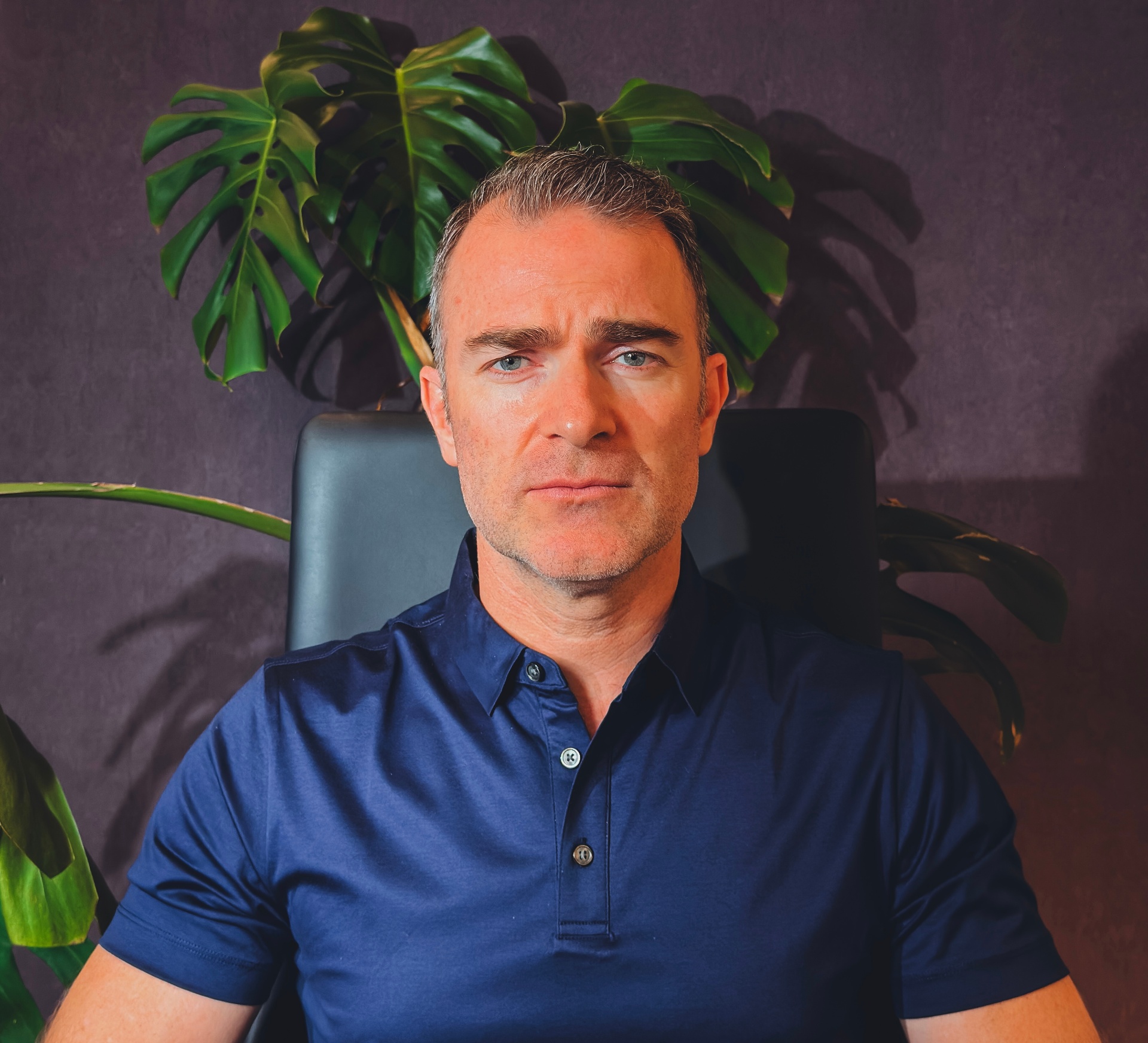
Cengiz Gündüz - The Factory Floor
25 years in global trade. The last stretch on the ground in Shanghai, walking the factory floors myself. I sell industrial equipment out of China too, so I've got no supplier to push and no kickback in your order.
Solo operator. I personally answer every email.
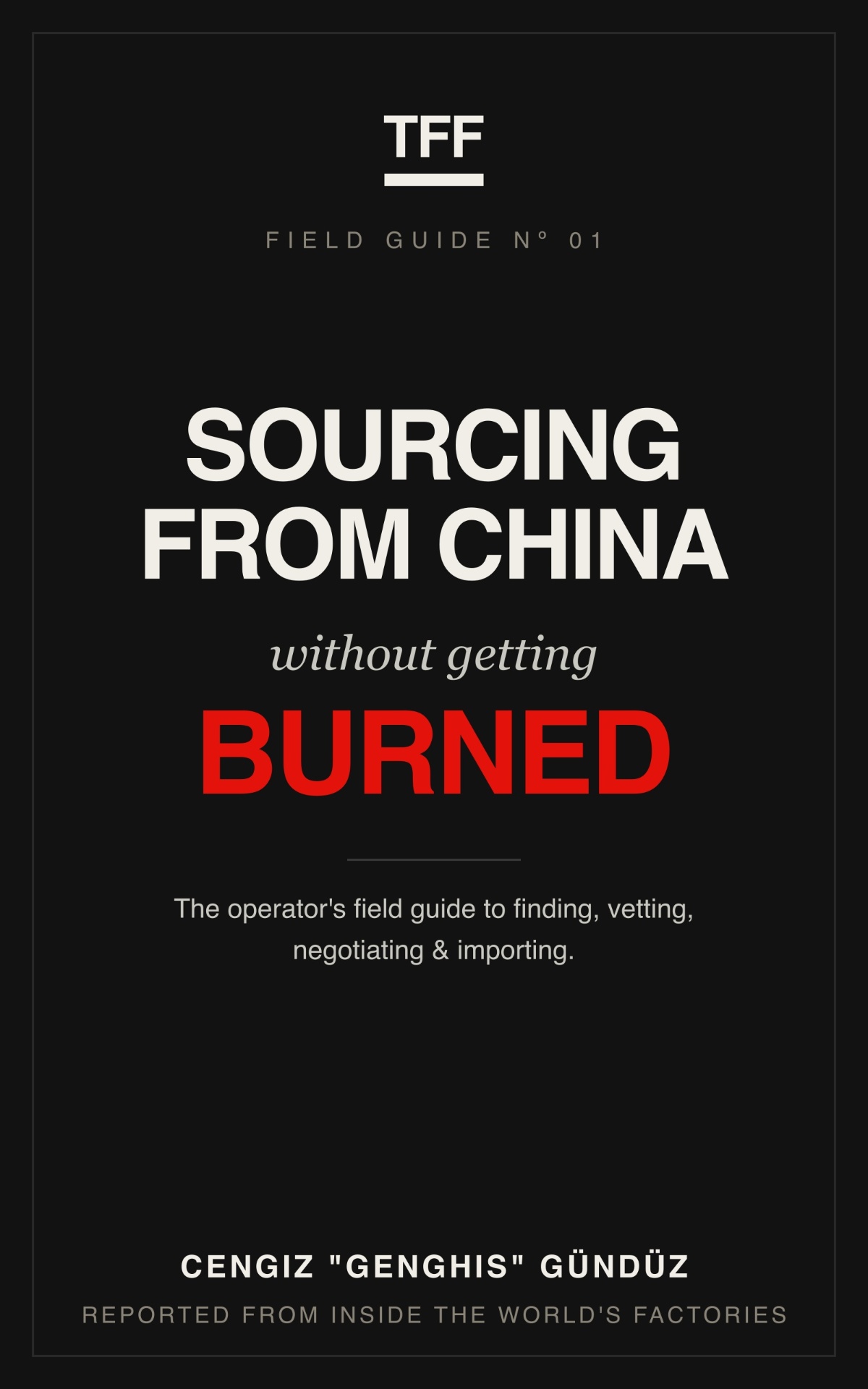
Author of "Sourcing From China Without Getting Burned", on Amazon Kindle.
The "Don't Get Burned" Guarantee
Use it on your next order. If it doesn't save you a headache, or a dollar, email me within 7 days and I'll refund you in full. No forms, no hoops. I'm one operator in Shanghai, and I answer every email myself. Cengiz
$57, one-time. Instant download: four bilingual documents in editable format, yours to reuse on every order you place. No subscription.
These are professional templates built to the standard real China lawyers use, not legal advice. For a large or unusual order, have a qualified PRC or Hong Kong lawyer review the file, especially the Chinese text, since that version governs. For everything up to that point, you have the same terms and checks I run on my own shipments, ready to attach today. Download once and the pack is yours to use on every supplier, every wire, from now on.
From the people I work with
Trusted on the ground, not just online.
“In hardware, we often say that relationships are the foundation, not just a transaction. Cengiz completely embodies this philosophy. He has an incredible knack for bridging the gap between Western buyers and complex manufacturing landscapes. If you are a brand looking to qualify factories before wiring capital, source verified partners in China, or secure heavy industrial equipment, Cengiz is your guy. He doesn't just make introductions; he builds the trust and oversight needed to actually get things built right. I couldn't recommend him more highly.”
“I bought one of the contracts and used it directly with my factory in China. It saved me from paying a lawyer close to a thousand dollars for something fairly basic, and it covered exactly the points I needed protected. Two months later I'm still working with the same supplier, and everything runs smoothly. For any Western buyer who wants real protection without the big legal bill, this is worth it. Thank you to The Factory Floor.”
“Thank you for your continued support and your readiness to help. I sincerely appreciate it. I will keep in touch whenever anything is required. Wishing you and your team continued success.”
What's inside
- •Doc 1 - China Payment Terms Annex: the clause you attach to any PO or supply agreement. It names one Approved Account that must match the factory's business license exactly, treats any changed bank detail as fraud until re-verified, and sets 30% deposit against a 70% balance released only after the goods pass inspection. Includes Exhibit A (Payment Schedule) and Exhibit B (Bank Account Verification Record).
- •A fixed RMB liquidated-damages figure written into the annex, a real, pre-agreed number drafted the way China lawyers write penalties to hold up in court, instead of a vague promise that means nothing at the moment you need it.
- •Doc 2 - Bank Account Verification Protocol: a seven-step check you can run in five minutes before any payment leaves, ending in a signed verification record you keep on file.
- •A plain-English walkthrough of how to read a Chinese business license (营业执照) and confirm the company yourself on the official government registry (gsxt.gov.cn), so the name on the invoice, the license, and the bank account all line up before a cent moves.
- •The email tells of a live redirect attempt (the account under audit, the switch from a company name to a person's name, the new offshore account on a mainland order, the quiet urgency), laid out so you recognize the swap mid-thread instead of after the wire clears.
- •Doc 3 - Proforma Invoice Red-Flag Checklist: nine red flags on a PI, a line-by-line teardown of a real invoice, a side-by-side of a dangerous invoice against a clean one, and the payment terms that actually protect you.
- •Doc 4 - China First-Order Payment Schedule: an event-based milestone plan (deposit, sample-approval gate, balance on passed inspection, then documents and shipment), with a worked example and a document-release checklist.
- •Every document in both English and Chinese, with the Chinese version set to govern for enforcement in China, so the terms hold where they have to hold.
Why it matters
Paying a Chinese factory is the one moment in the whole transaction where your money is completely exposed and completely irreversible. Everything else you can fix (a late sample, a spec argument, a reorder), but a wire that lands in the wrong account is gone the moment it clears, and no bank on either side is going to pull it back for you. There are two ways it goes wrong, and neither one requires the factory to be fake. The first is the redirect: a real supplier's email thread gets compromised, or a middleman inserts himself, and one message asks you to send this order's payment to a new account, a personal name, an offshore bank, a finance department that did not exist last week. The wire is valid, the company on the other end just is not the factory, and your own bank sees nothing wrong because there is nothing technically wrong to see. A redirected payment does not look like a scam; it looks like an ordinary email from a supplier you already trust. The second is quieter and more common in my experience: you release the balance because the factory says the goods are ready, the container opens weeks later, and it is the wrong product or a bad run, and you already paid in full against a photo. What protects you is not suspicion. It is a process that does not depend on your mood that day: one Approved Account verified against the government registry before the first wire, any change treated as fraud until re-proven, the balance chained to a passed inspection, a damages figure in RMB drafted to hold up, and the Chinese text set to govern. It is the difference between hoping the account is right and knowing it, and between paying for goods and paying for a photo of goods.
FAQ
Is this legal advice?
No. These are professional templates built to the standard real China lawyers use, and they are drafted to work, but they are not legal advice and I am not your lawyer. For a large or unusual order, have a qualified PRC or Hong Kong lawyer review the terms before you rely on them, especially the Chinese text, since the Chinese version is the one that governs for enforcement in China. Anyone selling you a $57 file as a bulletproof guarantee is not being honest, and you already know that.
Why does the Chinese version matter if I only read English?
Because if you ever need to enforce these terms, it happens in China, in Chinese. An English-only contract a Chinese counterparty signed can be argued over; a clean Chinese version built to govern removes that argument. You read the English to know what you agreed to, and the Chinese is there to make it stick where it counts. For a large order, have the Chinese professionally reviewed before you rely on it.
Why not just tell my bank to verify the account before I wire?
Your bank verifies that the account exists and can receive money, not that it belongs to your factory. A redirect wire goes to a real, valid company account, often a personal name or an offshore entity, and nothing on the wire form looks wrong. The only check that catches it is matching the account name to the factory's registered business license and confirming that entity on the official government registry. That is exactly the five-minute protocol in Doc 2.
Will a factory push back if I send them these terms?
A real factory that wants your repeat business will not blink at naming its own verified account, matching its own business license, or getting paid the balance after its own goods pass inspection. Those are all things an honest supplier wants on the record too. The suppliers who push back hardest on tying the balance to inspection are usually the ones you most needed the terms for. Pushback on the account-verification clause specifically is itself information worth having before you wire anything.
I've already placed orders without any of this. Do I still need it?
The risk does not go down with experience. The redirect email is built to hit buyers who feel comfortable, because comfort is when the check gets skipped. Most orders go fine, which is exactly what makes people relaxed right up until the one that doesn't. Every new order is a new wire, and every wire is the same weak point. This pack is meant to be reused on all of them, first order or hundredth, and it turns that one bad order from a five-figure loss into a non-event.
What does 'balance released only after inspection' actually change?
It changes who is asking whom. When the balance is tied to a passed inspection, the factory is working to earn the rest of the money, and a defect is their problem to fix before they get paid. When you release early, the same defect becomes your problem to beg about after the fact. Same goods, same factory: the only difference is whether your money is still on the table.