Guide
Private Label Manufacturing Agreement with a Chinese Factory: What It Must Cover
Cengiz Gündüz, The Factory Floor, Shanghai. Reviewed November 2026.
A private label manufacturing agreement is the contract between your brand and the factory that makes your product under your label. With a Chinese factory it has five jobs. Keep your design and your brand yours. Fix the specification and the quality level for every batch. Settle who owns the molds. Lock how and when you pay. Make the document one a Chinese court can read, which means English and Chinese in the file you both sign, the Chinese version governing, and the factory's company chop on the signature page. A Western white-label template usually skips those last three.
The Pain
A one-off purchase is one order, one shipment, done. Private label is a relationship. You reorder the same SKU from the same factory. Your listing, your reviews and your margin depend on batch 7 matching batch 1.
The factory has your drawings, your packaging files and your supplier list. It also has the mold, if you paid for one. And it has your deposit. A purchase order that only names a quantity and a date does not cover that.
What Goes Wrong
Your design leaks. Without a signed non-use and non-circumvention clause, nothing in the paperwork stops the same product appearing under another brand. Sometimes on the same marketplace. An NDA only stops the factory telling other people. In China the usual loss is the factory using the product, or going around you to your customers. That is what an NNN covers. The comparison is on NNN vs NDA. The contract itself is the China NNN Agreement, $47. Sign it before you share drawings, not after the first sample.
Quality drifts. The first batch is the careful one. By the fourth, the plastic is thinner, the carton is weaker, or a component has been swapped. If the spec and the inspection level are not in the contract, "that was just a guideline" is a hard answer to argue with. When a factory changes materials, start with what to do when a factory changes materials.
The mold and the money stay on their floor. If you paid for a mold and the relationship breaks, the factory can hold the steel against an open invoice unless the contract says otherwise. Under China's Civil Code, businesses can hold each other's property against a debt unless the contract excludes it. The mold page is who owns the mold you paid for. The contract is the China Mold & Tooling Ownership Agreement, $57.
The English file is not the file the court reads. If a dispute reaches a Chinese court or arbitration body, it works from Chinese. An English-only agreement gets translated after the fact, by someone you did not choose. A signature alone often carries little weight. The company chop (公章) is what binds a Chinese company.
One Case
A buyer spent a year developing his product. He sent it to a factory in China to make. Later he found the exact same product for sale on Alibaba.
A year is drawings, packaging and the slow work of getting one unit right. He had sent that work so the factory could produce it. The factory did. Then the product was no longer only his.
A purchase order did not stop that. A Western NDA usually does not stop it either, because an NDA does not say the factory may not use the design. The paper that does is an NNN, signed before the files leave, not after the listing is already copied.
The Contract That Covers It
Eight clauses. Miss one and that is the hole the next batch falls through.
- Parties. The factory's registered Chinese legal name and its 18-character Unified Social Credit Code, exactly as they appear on the business licence. A contract in the Alibaba shop name is weak evidence of who you dealt with.
- NNN. Non-disclosure, non-use, non-circumvention. Signed before drawings, not after the first sample.
- Specification and approved sample. Attach the spec as an exhibit: materials, dimensions, tolerances, colour, packaging, labelling. Keep a signed golden sample on both sides. Any change of material, component or sub-supplier needs your written approval first.
- Quality level and inspection. Set the AQL in the contract. A usable example is Critical 0, Major 2.5, Minor 4.0, plus who inspects and when. The balance should depend on the batch passing that inspection, not on the factory saying it is finished. How to hold that balance is the China Payment Protection Pack, $57.
- Your brand, packaging and listing. Your trademark, label artwork, packaging design and product photos belong to you. They may be used only for your orders. They may not be sold, shown or reused for anyone else. Leftover labelled packaging is destroyed or handed back.
- Tooling and mold ownership. If you pay for a mold, the contract should say it is yours, that the factory waives any right to hold it against a payment dispute, and that it must be released when you ask.
- Repeat-order terms. Price-validity period, lead times, minimums, and how a price change must be notified. Each new purchase order only adds quantities and dates. That master agreement is the China OEM Supply Agreement, $57.
- Payment, damages and disputes. Pay only the company account in the exact registered name on the licence. Treat any "our bank details changed" email as fraud until you have re-verified it by a phone call and a chopped notice. Deposit, then the balance only after the batch passes inspection. Late delivery and knock-off damages as a fixed RMB amount. Chinese law. A court or arbitration body the factory actually answers to. The Chinese text governs. The wire itself is covered in how to pay Chinese suppliers.
English and Simplified Chinese, clause by clause, with the Chinese version governing. That is the text the judge reads, because you both signed it. Add the company chop on the signature page and keep a scan.
This is a template, not legal advice. A qualified PRC lawyer should review it, especially the Chinese text, before anyone signs.
| Your situation | What to use | Live price |
|---|---|---|
| You are about to share drawings or a prototype | China NNN Agreement | $47 |
| First production order with a new factory | China Manufacturing Agreement | $47 |
| You reorder the same SKU from one factory | China OEM Supply Agreement | $57 |
| You are about to wire a deposit | China Payment Protection Pack | $57 |
| You paid for a mold | China Mold & Tooling Ownership Agreement | $57 |
| Private label on Amazon: design, repeat orders and payment | Amazon FBA Bundle | $97 |
| Six agreements | China Contracts Vault | $197 |
| All nine agreements | China Contract Library | $297 |
All of these are English and Simplified Chinese, Word and PDF.
How to send it without turning the relationship into a fight:
- Send the NNN first, with your RFQ, before any drawings.
- Agree the spec and the golden sample, then attach them as exhibits.
- Send the supply agreement with the first purchase order. It is in their language. It asks for specs, inspection and dates. Most serious factories sign.
- Check the business licence and the bank account name match before the deposit.
- Get the company chop on the signature page and keep a scanned copy.
- For every reorder, issue a purchase order that refers back to the master agreement.
Not sure which hole is open? Take the free 60-second China deal risk check. The short index of the other ways these deals fail is China supplier problems.
Price
Private label on Amazon, where you need the design protected, the repeat orders written down, and the payments controlled, is the Amazon FBA Bundle at $97. That is the OEM Supply Agreement, the NNN and the Payment Protection Pack.
A first production order with a new factory, and nothing more yet, is the China Manufacturing Agreement at $47.
Sent to your email right after payment.
Digital products are non-refundable once delivered.
Common Questions
Is a private label agreement the same as a white label agreement?
Close. White label usually means the factory's existing product with your brand on it. Private label often means your spec or your design. Either way, design, quality, packaging and payment have to be in writing. The more of the product is yours, the more the non-use clause and the tooling clause matter.
Do I need a separate contract for every order?
No. Sign one master supply agreement. Then issue a short purchase order for each batch that refers back to it.
Will a Chinese factory sign a contract in English?
Many will. It is a weak document if the dispute is heard in China. The court works from Chinese. You want both languages in the file you both signed, with the Chinese version governing.
Is an NDA enough for private label?
Usually not. An NDA stops the factory telling other people. It does not stop the factory making your product, and it does not stop the factory going around you to your customers. That is what an NNN is for. Sign it before you send drawings.
Who should own the mold?
You, if you paid for it. Put ownership, a ban on the factory holding the mold against an invoice, and a release deadline in writing before you pay for the tooling. Payment alone does not make the steel yours.
Can I enforce the contract from abroad?
It is easier when the contract names Chinese law, a court or arbitration body the factory actually answers to, and the Chinese text as the governing text, and when the factory chops it. This is a template, not legal advice. Ask a PRC lawyer about your own case.
This is a template, not legal advice. A qualified PRC lawyer should review it, especially the Chinese text, before anyone signs. Cengiz Gündüz, The Factory Floor, Shanghai.
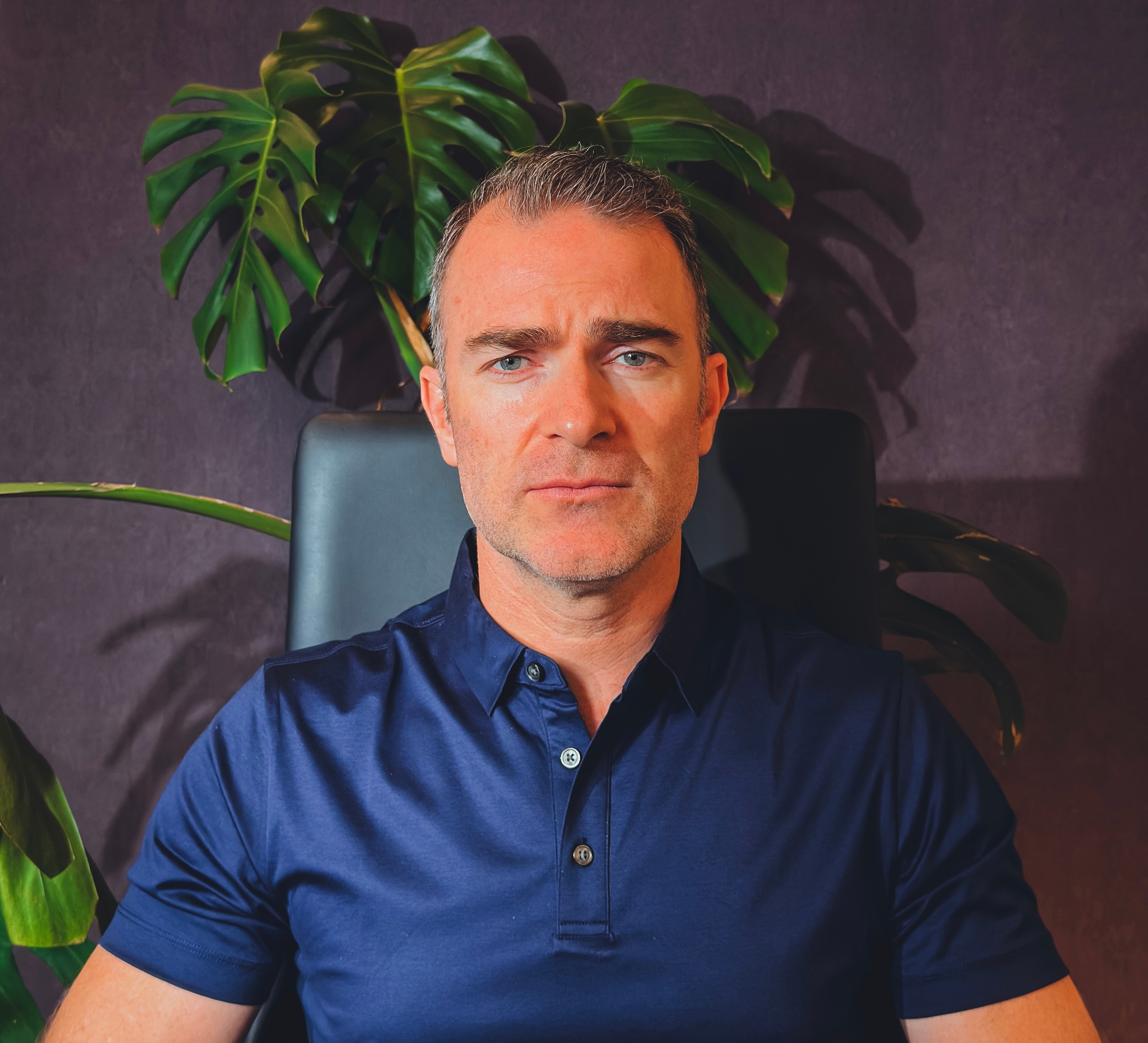
Cengiz Gündüz. 25 years in global trade, in import and export since 2009. Factory audits from Shenzhen to Kunming.
Last checked:
What's really happening inside China, Asia and global trade. Free.
Get the Free Weekly Briefing →The briefing arrives every Monday. No spam.

